The Three Main Forms of ePTFE Sealing Products
When it comes to ePTFE sealing, engineers and maintenance technicians typically choose between three product formats: ePTFE sheet, pre-cut ePTFE gaskets, and ePTFE joint sealant tape. Each has distinct advantages and ideal use cases. Making the right choice can mean the difference between a reliable, long-lasting seal and a costly leak that shuts down your plant.
This guide walks you through each product type, when to use it, and how to make the best decision for your specific application.
1. ePTFE Sheet Gaskets
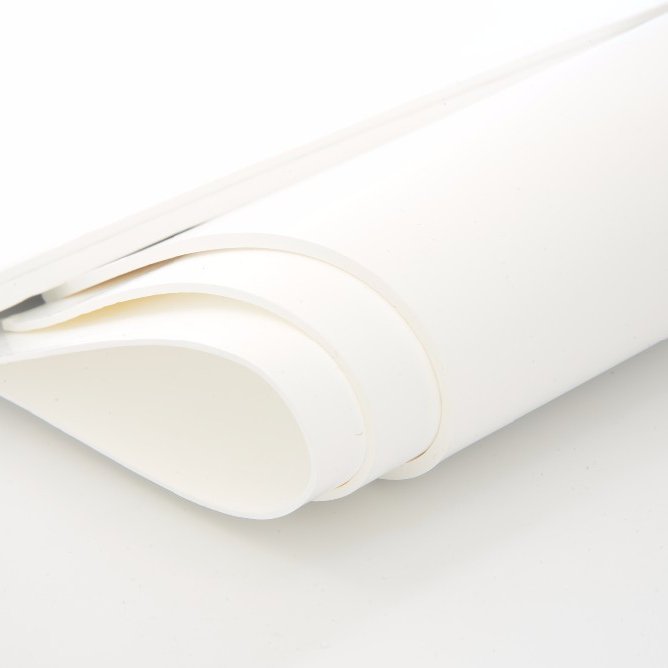
ePTFE sheet is the most versatile form of expanded PTFE. It comes in large sheets (typically up to 1520×1520mm) that can be cut to any size or shape on-site or in the workshop. This flexibility makes sheet material the most commonly used ePTFE product for industrial sealing.
Best for:
- Standard-sized flanges from DN15 to DN600+
- Raised-face (RF) and flat-face (FF) flanges
- Applications where a precise custom gasket size is required
- Large-quantity orders where sheet material is more economical
- One-off or custom flanges where pre-cut gaskets don't exist
When NOT to choose:
- Very small or intricate shapes (hard to cut cleanly by hand)
- On-site emergency repairs with limited tools and time
ePTFE sheet is available in thicknesses from 1 mm to 10 mm. Thinner sheets (1–3 mm) are used for standard pressure flanges; thicker sheets (5–10 mm) are used for large-diameter, low-pressure applications.
2. Pre-Cut ePTFE Gaskets
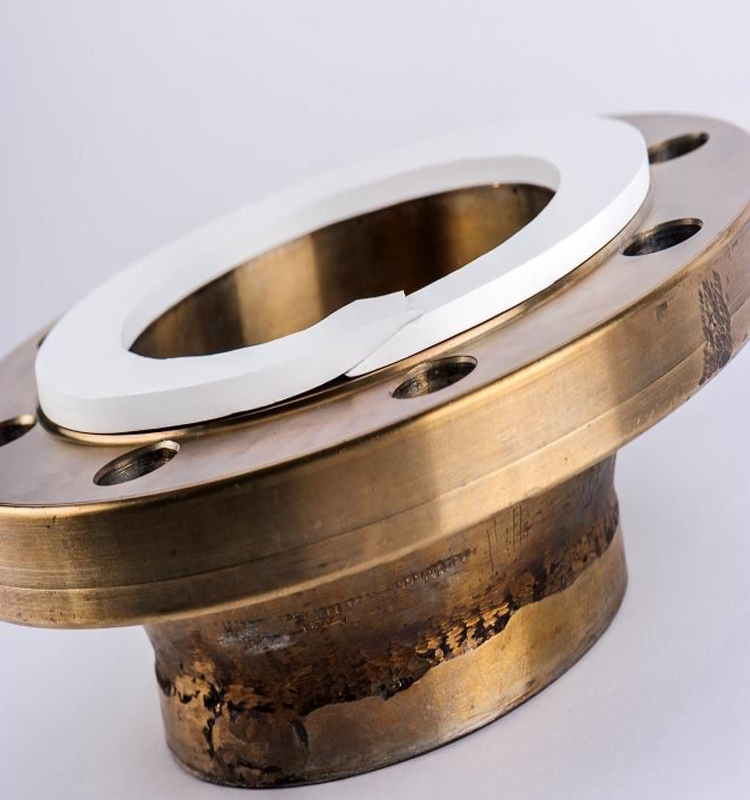
Pre-cut gaskets are precision-manufactured gaskets cut to exact dimensions before shipping. They are produced using die-cutting, water-jet cutting, or CNC machining for maximum dimensional accuracy and consistency.
Best for:
- Standard pipeline flanges (ASME B16.5, EN 1092, JIS flanges)
- Repeat orders of the same size — consistent quality batch after batch
- Applications requiring tight dimensional tolerances
- Chemical processing
When NOT to choose:
- Non-standard or custom flange sizes (tooling/mold costs become prohibitive for small quantities)
- One-off or prototype applications
- Emergency repair situations — lead time for custom cutting doesn't fit
Tip: If your flange matches a standard size (ASME, EN, or JIS), pre-cut gaskets are almost always the most cost-effective choice. They arrive ready to install — no cutting, measuring, or waste.
3. ePTFE Joint Sealant Tape
ePTFE joint sealant tape (also called PTFE thread tape or PTFE cord) is a compressed ePTFE strip used for wrapping pipe threads and sealing irregular or damaged flanges. It requires no cutting or measuring — just wrap and install.
Best for:
- Pipe thread sealing (NPT, BSP, BSPT threads) — the primary use case
- Irregular, warped, or slightly damaged flange surfaces
- Damaged or pitted flanges where a sheet gasket won't seal properly
- Odd-sized flanges with no standard gasket available
- On-site emergency repairs — quick application, no tools needed
- Chemical dosing lines and instrument tubing
When NOT to choose:
- High-pressure large-diameter flanges (tape alone may not provide sufficient bulk material)
- Flat-face flanges with perfectly clean, undamaged surfaces (sheet gasket is more reliable)
- Large-bore flanges where uniform compression is difficult to achieve
Quick Decision Guide
| Situation | Recommended Product |
|---|---|
| Standard ASME/EN/JIS flange, repeat order | Pre-Cut ePTFE Gasket |
| Custom or non-standard flange size | ePTFE Sheet |
| Pipe thread sealing | ePTFE Joint Sealant Tape |
| Damaged or warped flange surface | ePTFE Joint Sealant Tape |
| Large or odd-sized flanges | ePTFE Sheet |
| Emergency on-site repair | ePTFE Joint Sealant Tape |
Other Factors to Consider
Beyond the format, always evaluate these critical factors:
- Temperature: ePTFE handles -260°C to +260°C, but verify the flange class rating matches your operating temperature
- Pressure: Higher pressures may require metal-reinforced gaskets or different sealing approaches
- Chemical Compatibility: ePTFE is chemically inert to virtually all media — check for exceptions (molten alkali metals, ClF₃)
- Flange Condition: Damaged or pitted flanges need tape or compressed sheet, not pre-cut gaskets
- Bolt Load: Some applications require higher bolt load to compress the gasket — verify your flange assembly can provide sufficient load
Conclusion
There is no single "best" ePTFE product — only the right choice for your specific application. Understanding the differences between sheet, gasket, and tape will help you specify the correct product and avoid sealing failures that cost time and money.
When in doubt, consulting with a sealing expert can save you from costly downtime. Contact our team for product selection guidance tailored to your application.
← Back to Home